15 Easy Vegetable Garden Layout Ideas Beginner You Will Love

Hey girl, remember when I first tried starting a vegetable garden and had zero clue where to even put my tomatoes? Vegetable garden layout ideas for beginners totally saved me – I went from chaotic dirt patch to actual harvest in one season. It’s that simple thrill of picking your own salad that hooks you.
This post is my way of paying it forward because I wish someone had walked me through it like this back then. Last spring, I sketched plans on napkins, messed up a few spots with bad spacing, but these layouts fixed everything. You’ll see real pins that inspired my setup – no fancy skills needed.
Stick with me through these 15 easy vegetable garden layout ideas for beginners, and you’ll have a plan that fits your yard, plus tips to make it thrive. Promise you’ll be harvesting in no time.
15 Easy Vegetable Garden Layout Ideas for Beginners You’ll Wish You Tried Sooner
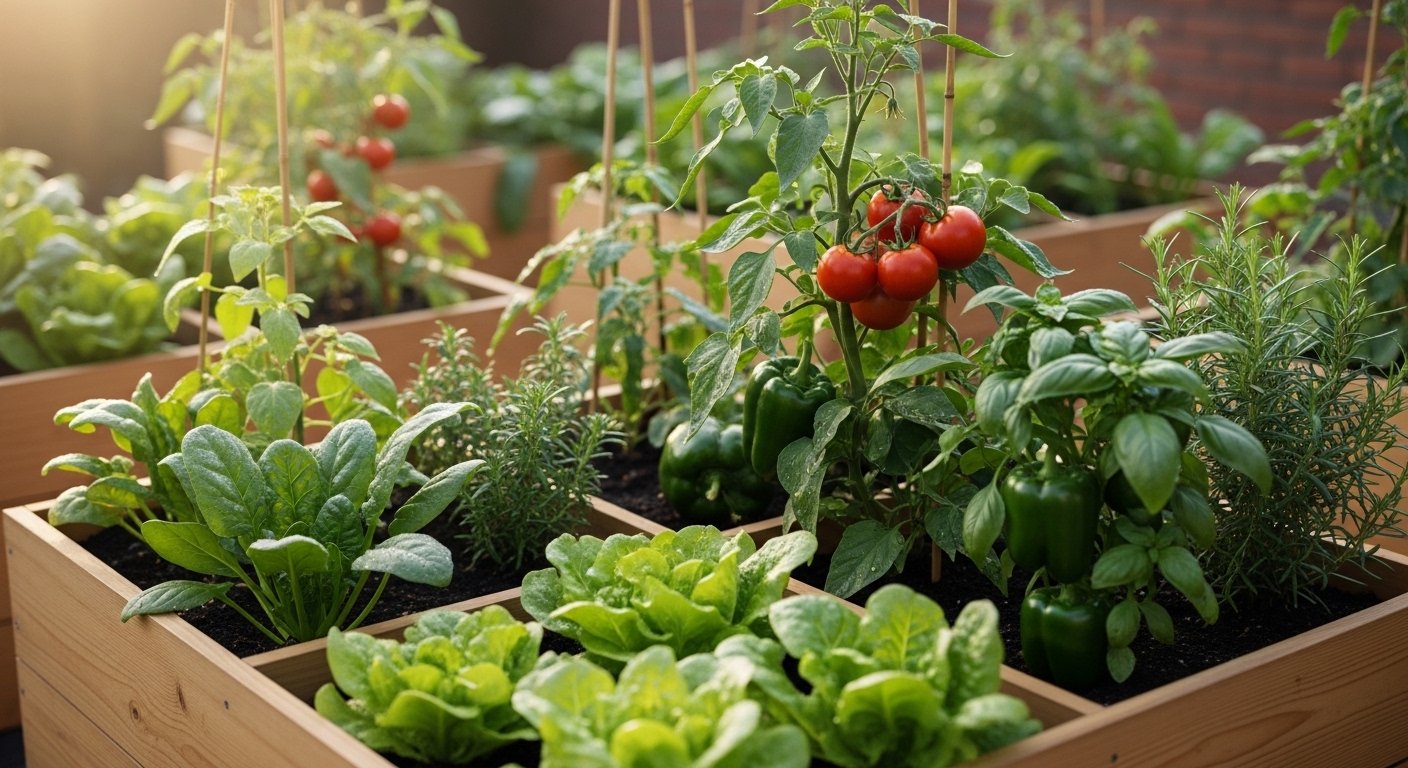
Simple Raised Bed Clusters
These neat raised beds are perfect for beginners – just group them in a sunny corner and you’re set. I love how they’re sturdy against weeds, and you can walk between without stepping on plants. My first try was three like this; tomatoes went wild.
Build-Your-Own Garden Stages
Seeing the before-and-after here makes it less scary to start from scratch. They show the build process super simply – dig, frame, fill. I did this last year with scrap wood; now it’s my go-to salad bar.
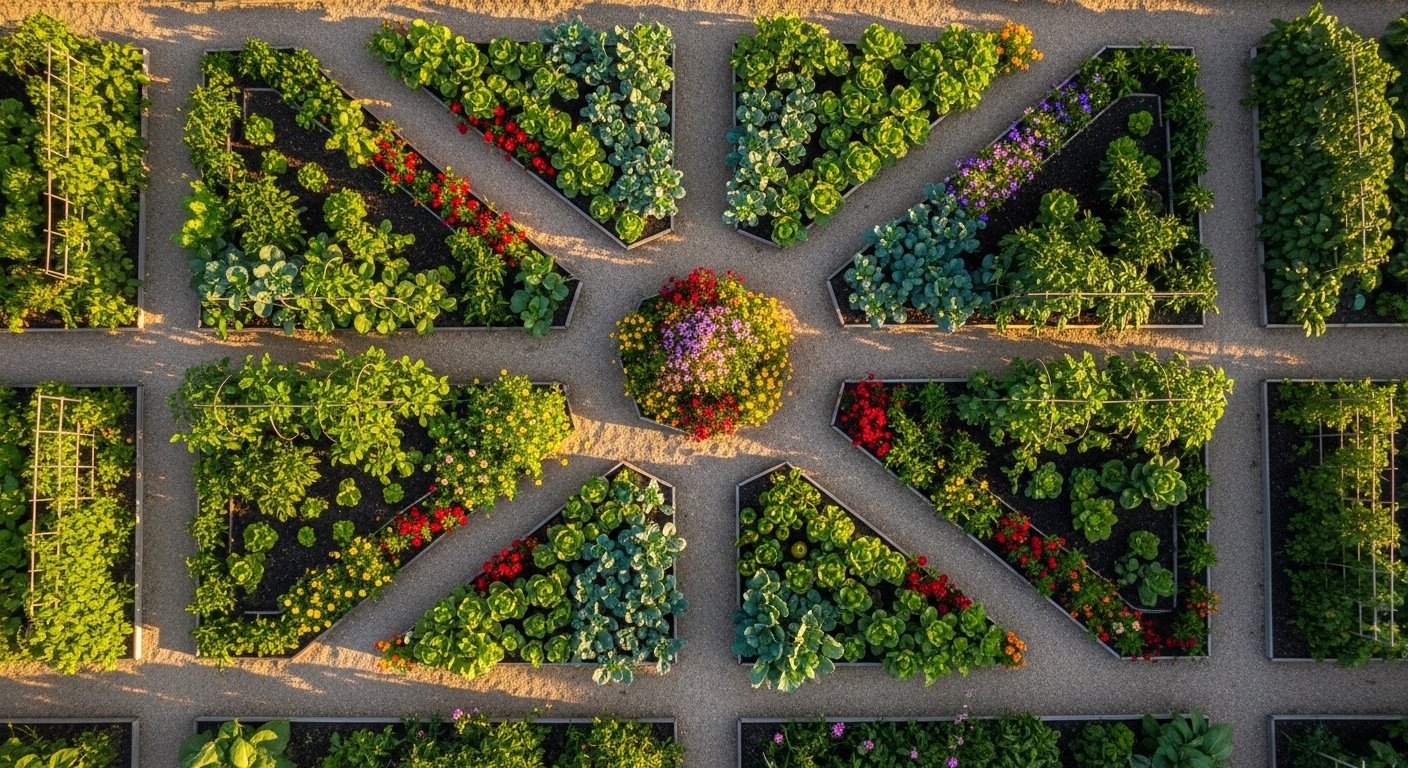
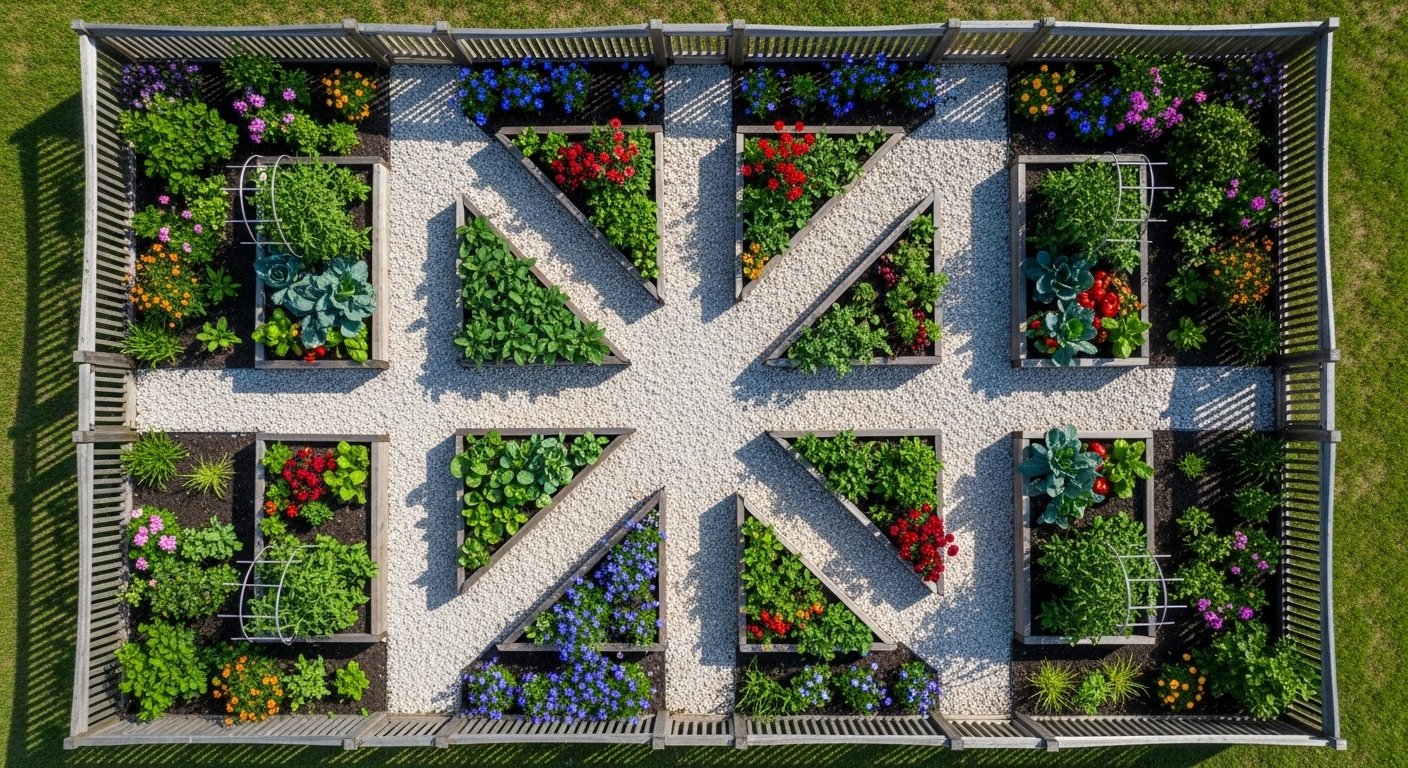
Aerial Veggie Patch View
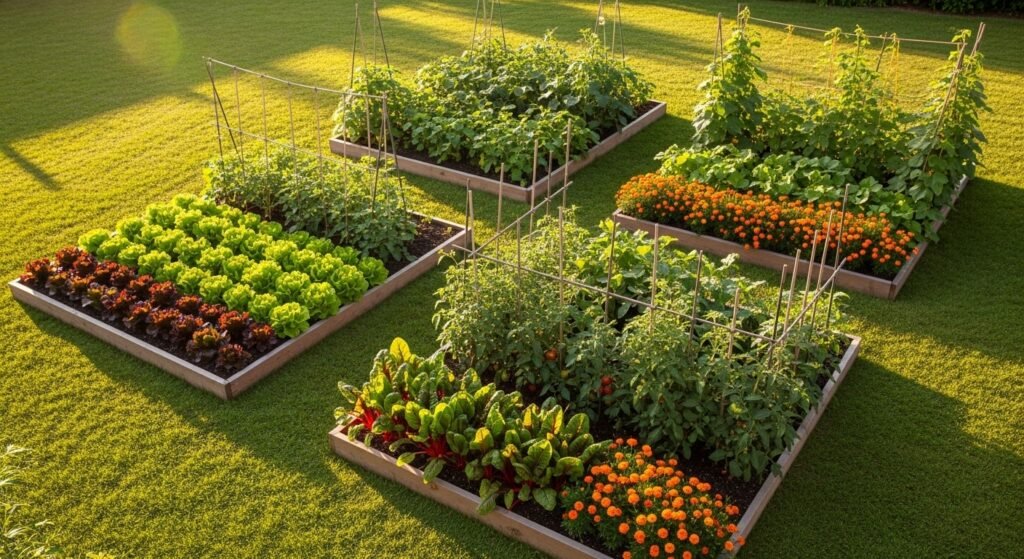
This top-down layout screams organization – rows neat and tight for max space. Perfect if your yard’s small like mine was. Imagine plotting your carrots this way; it’ll change everything.
Mixed Raised Bed Shapes
Varied bed sizes fit any weird yard spot – tall for beans, low for lettuce. I mixed these and added paths with mulch; no more muddy feet. You’ll love the flexibility.
Lush Aerial Plant Grid
From above, this grid layout looks like a pro farm but it’s beginner-easy. Compact rows mean less bending over. My neighbor copied it; her zucchini exploded.
Easy Dig-and-Plant Start
Just grab a shovel and go – this shows the raw start without overthinking. I dug my first bed like this on a whim one weekend. Dirt under nails? Totally worth fresh cukes.
Diverse Raised Bed Mix
Ground plants plus raised ones maximize every inch – smart for tight spaces. Beans climb while roots chill below. Tried it; saved my back from weeding.
Wall-Mounted Strawberry Patch
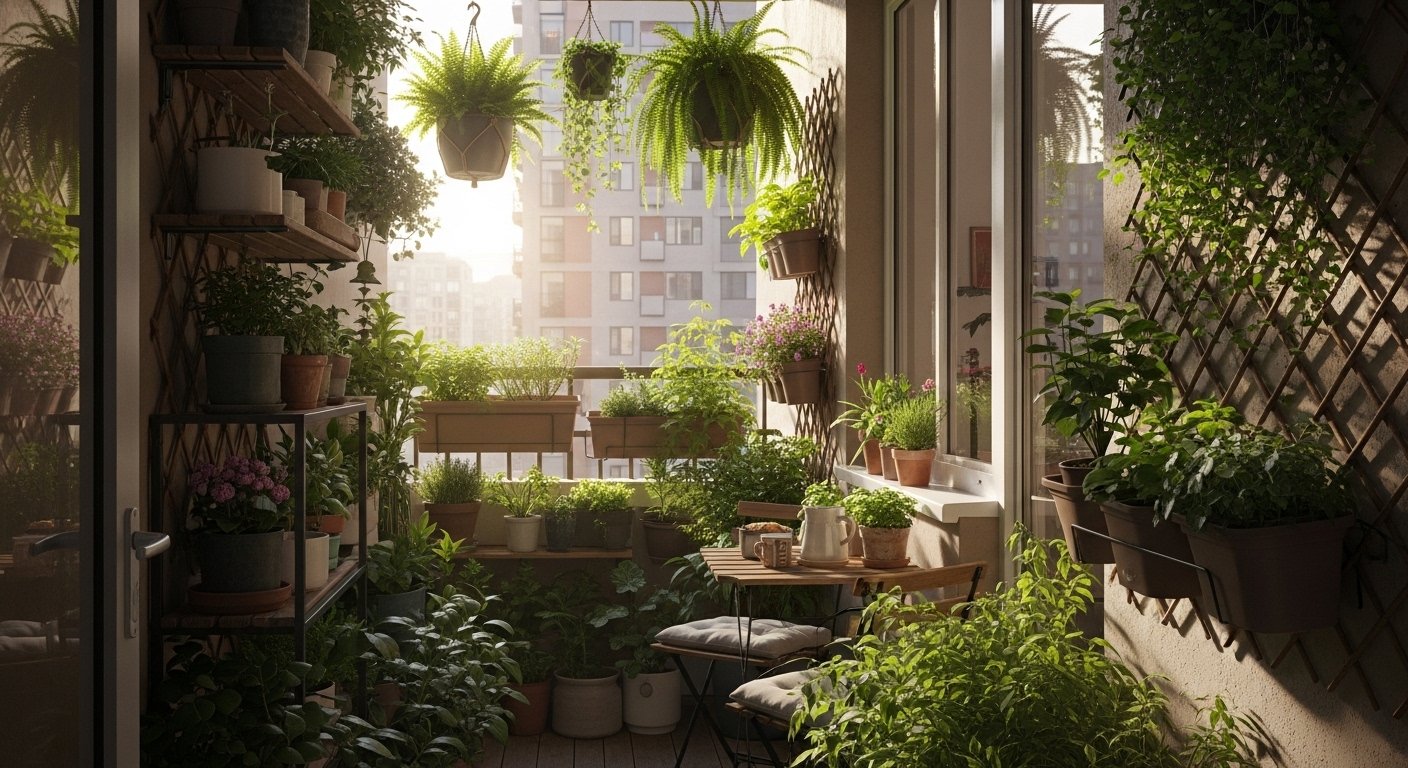
Strawberries up the wall? Genius for no-yard apartments or tiny backyards. Vertical saves ground space for other veggies. I hung mine by the garage – berries for days, zero dirt fight.
Stone-Walled Veggie Center
That stone border keeps it tidy and cute – flowers edging veggies feel fancy. Central layout for easy access all around. My version has herbs framing; smells amazing.
Ready-to-Plant Build
Framed and waiting – this screams “plant me now!” for impatient beginners like us. Quick assembly with basic tools. I built one in an afternoon; peppers thrived right away.
Lit-Up Side Garden Glow
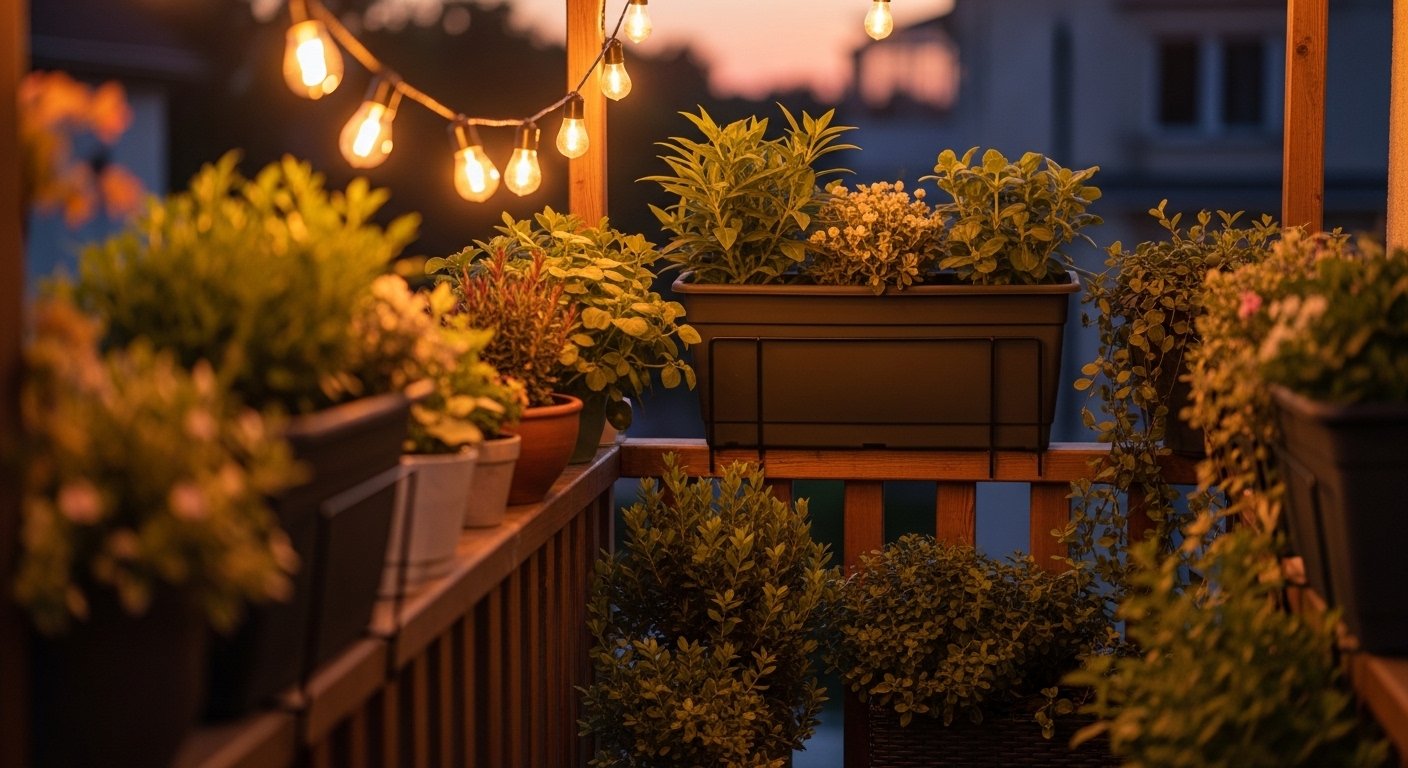
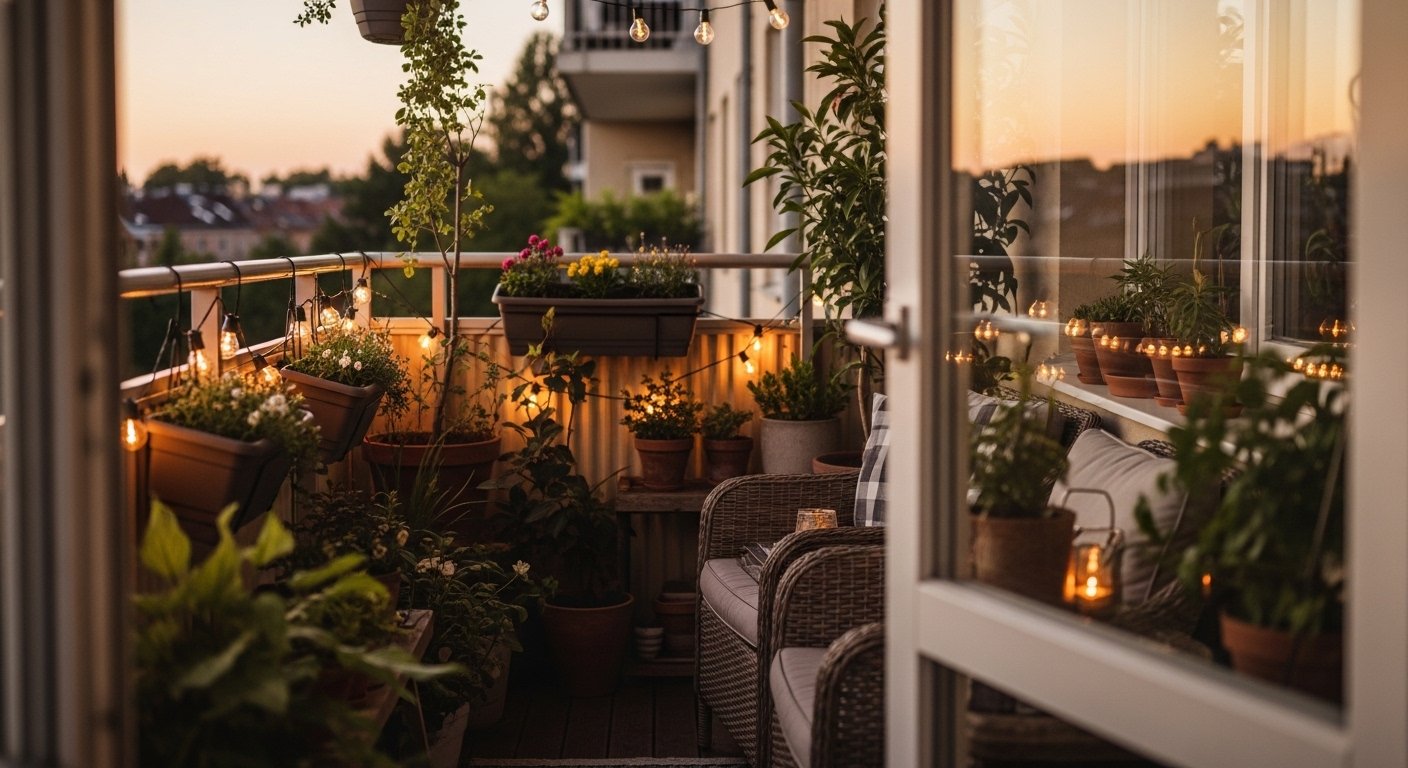
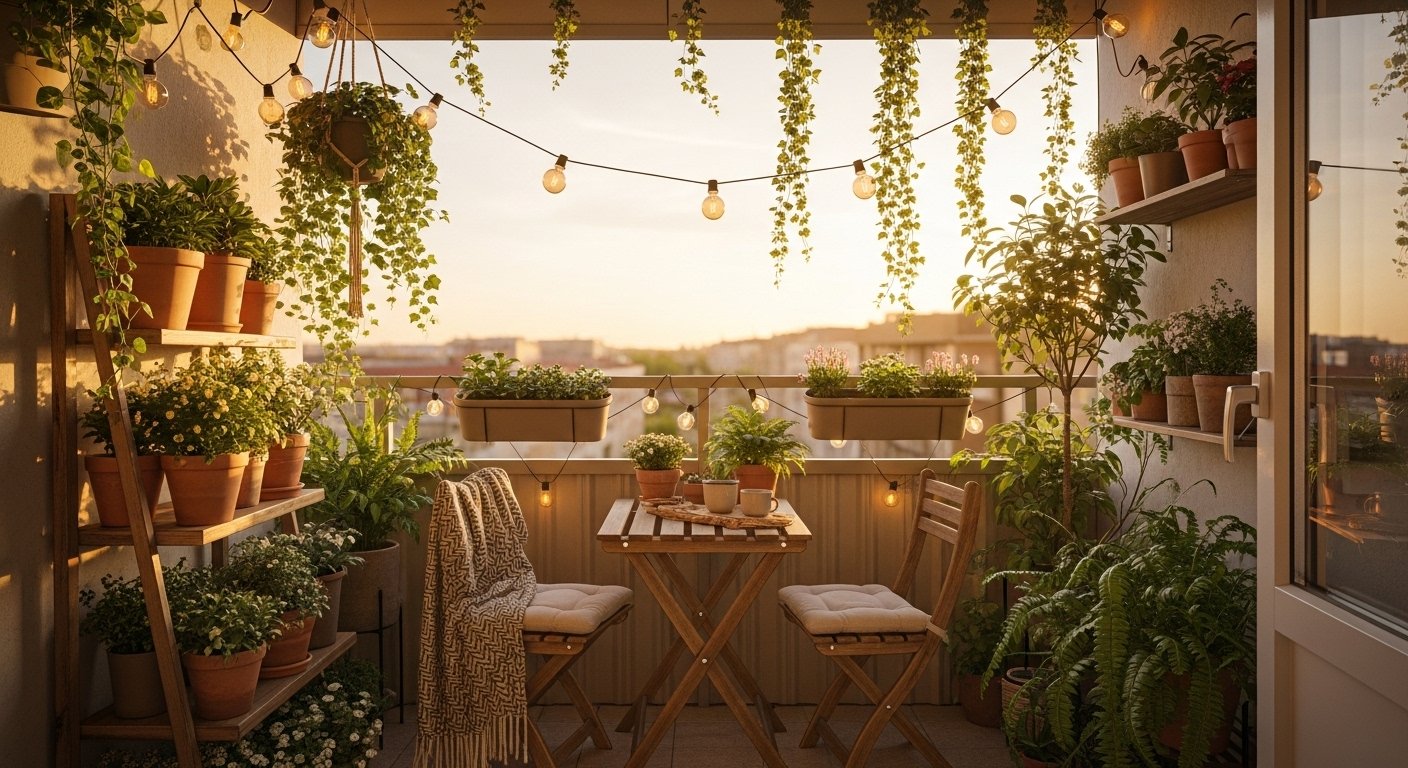
Plants plus string lights against the house – evening harvests just got dreamy. Side-of-building layout fits narrow spots perfectly. Lights make weeding fun; who knew?
Overflowing Plant Haven
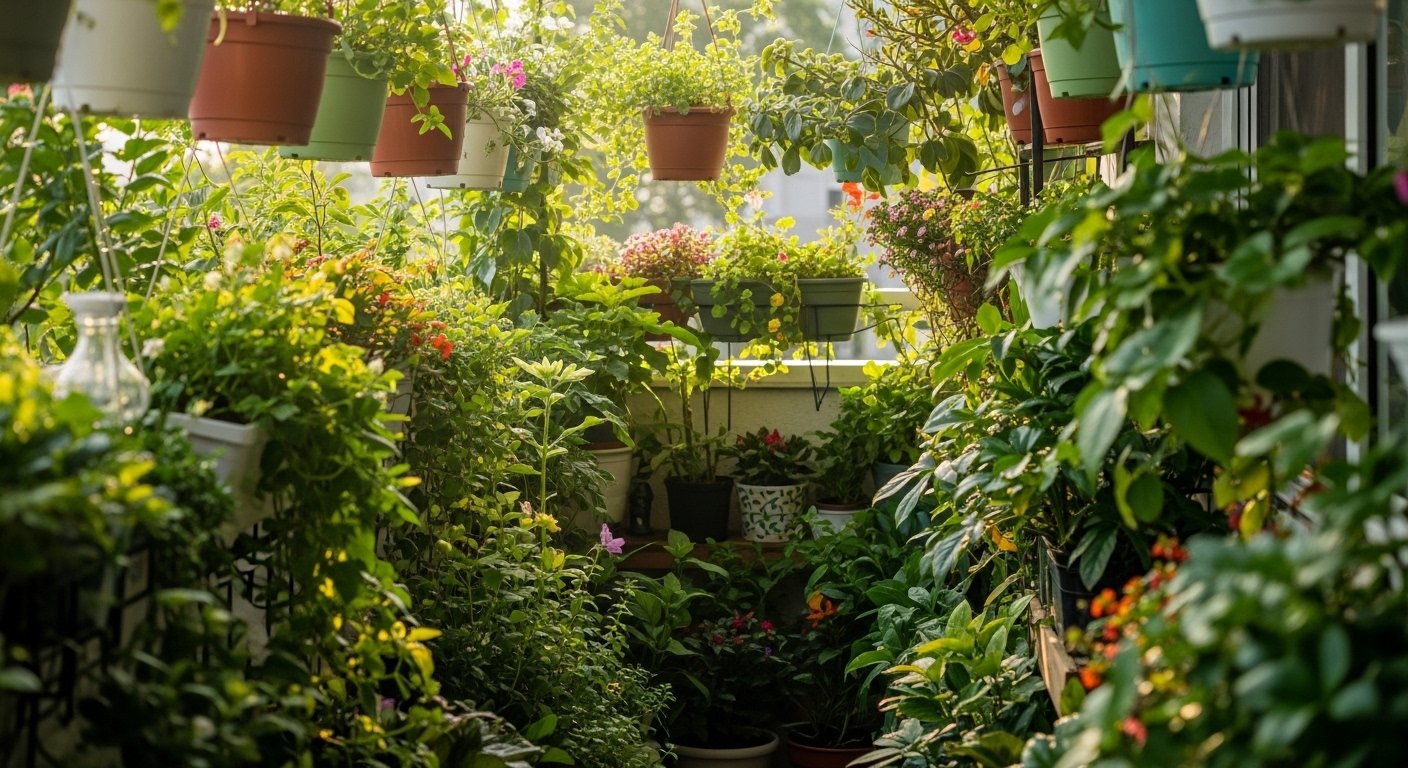
Brimming with variety, this one’s inspiration for mixing crops without chaos. Diversity keeps pests away naturally. You could recreate it small-scale first – I did, loved it.
Trellis Veggie Climbers
Trellis by the fence for vertical peas and beans – saves so much room. Wooden support looks rustic chic. My trellis harvest was the best; felt like a real farmer girl.
Full Veggie Bed Bounty
Packed beds of color – tomatoes, greens, all thriving together. Companion planting at its easiest. Started mine this way; neighbors beg for extras now.
Mulched Raised Bed Rows
Mulch paths between rows keep it weed-free and pretty. Dirt beds with mulch edge – low maintenance win. I added this after my first sloppy year; game-changer, honestly.
How to Actually Make This Work For You
Okay, real talk – pick a sunny spot with at least six hours of light daily, then sketch your layout on paper matching one of these to your space, starting small like four by eight feet so you don’t burn out. Use companion planting, like tomatoes with basil to fend off bugs naturally, and always mulch paths to cut weeding time in half – I swear it saved my summers. Water deeply but infrequently, and rotate crops yearly to keep soil happy; my garden’s been pumping out veggies for three seasons now because of these basics.
What’s the best size for a beginner vegetable garden?
Go for a 4×8 foot raised bed – big enough for variety but not overwhelming. I started there and grew tomatoes, lettuce, carrots easily. Scales up as you get comfy.
How do I pick the right spot in my yard?
Full sun, flat ground, near water source – test by watching shadows all day. Mine’s by the patio for easy picking. Avoid low spots that flood.
What veggies should beginners plant first?
Start with lettuce, radishes, beans – quick wins that forgive newbie mistakes. Add tomatoes once you’re hooked. They’ll harvest fast to keep you motivated.
Do I need fancy tools to build these layouts?
Nope, shovel, wheelbarrow, lumber – that’s it for most. I used leftovers from hubby’s projects. Borrow if needed; focus on soil over gadgets.